

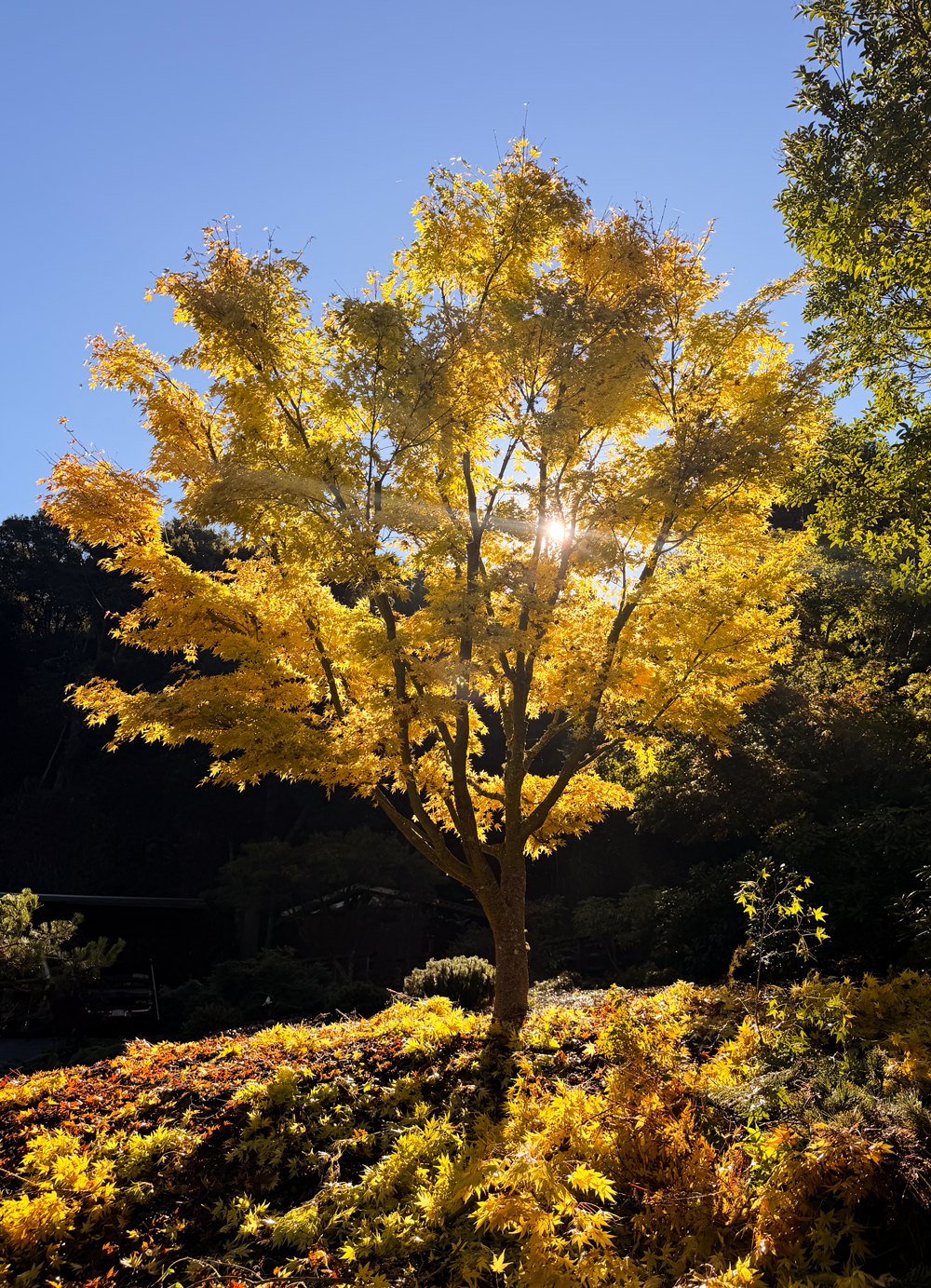
Aesthetic pruning is where horticultural science meets artistic interpretation. With its roots in Japanese garden pruning, bonsai, and arboriculture, it applies design principles to ensure each tree harmonizes with its surroundings. The focus is on discovering the essence and natural form of each tree, enhancing a sense of movement, balance and harmony into the tree’s expression. Meanwhile, it ensures the tree’s form fits appropriately into the design of the garden, thereby blending natural beauty and intentional design.
this focuses on finding and amplifying the essence of a tree. The work begins by understanding the tree’s role within the garden context and highlighting that role, allowing each plant to tell its own story while contributing to the story of the garden as a whole. This approach often involves a long-term plan, typically three to five years of annual or biannual work, to thoughtfully guide a plant toward its intended and lasting form.
Each garden has a focal point, an element designed to draw and hold the eye. Often, this focal point is an ornamental tree. Focal point pruning takes this role into consideration and applies the highest level of care and detail to the work. The approach emphasizes proportion, balance, flow, and the intentional use of negative space, with special attention given to the tree’s primary viewpoint within the garden. To maintain clarity, refinement, and expression year-round, focal point trees are often pruned two to three times per year.
Restorative pruning involves the thoughtful transformation of neglected or overgrown trees, vines and shrubs. Through careful pruning and training, plants are gradually brought back into balance and clarity. This work typically unfolds over several years, using a long-term plan to restore structure, reveal the tree’s essence, and guide it toward a refined and aesthetically pleasing form
Winter silhouette pruning focuses on the tree’s structure when leaves are absent. In this state, the true form of the tree is revealed, bringing clarity and beauty to the experience of observing it. The work emphasizes proportion, flow, movement, transitions, and ramification (the fine branching structure that gives a tree detail and refinement), with careful attention to balance and concealed cuts, allowing the tree’s form to read clearly throughout the winter season.

I offer classes throughout the year, covering topics such as seasonal orchard care, soil health, integrated pest management, and pruning fundamentals of small trees and shrubs for homeowners.
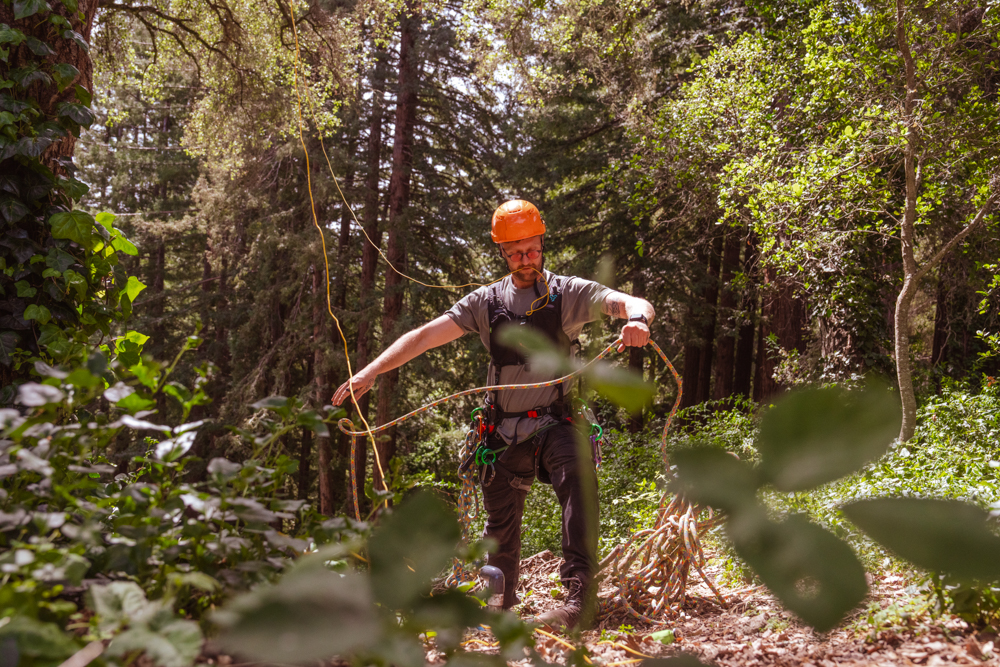
For clients needing functional tree work, I’m here to help.
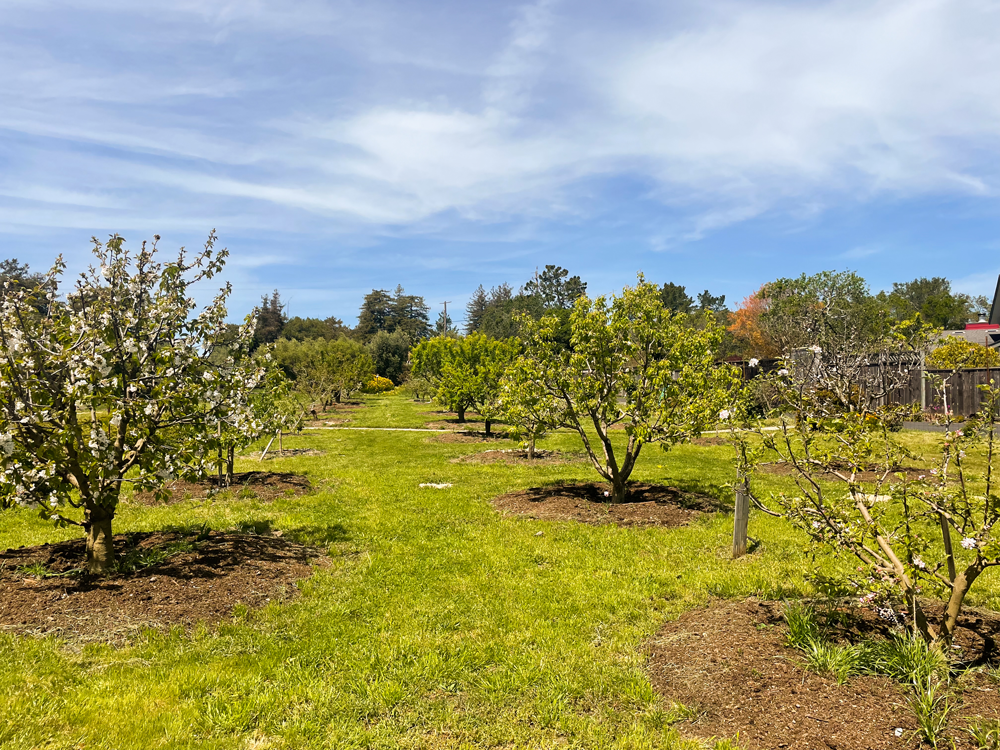
Regenerative orchard care focuses on nurturing fruit trees and orchards through organic practices.